


The 8 best demo automation software in 2026 according to the G2 Summer Grid® Report are Consensus, Navattic, Storylane, Supademo, Arcade, Guideflow, Saleo, and RELAYTO AI.
Most go-to-market teams already use demo automation software. It’s table stakes at this point. But just having a tool in place doesn’t mean it’s doing its job well.
I’ve seen sales reps wasting hours customizing demos that should be templatized. Marketing teams struggle to keep demo environments aligned with brand guidelines. And data silos often leave teams guessing which demo content actually drives conversions. In today’s sales cycle, where personalization, speed, and insights all matter, those inefficiencies cost you revenue.
That’s why I took a closer look at the best demo automation software on the market. I analyzed G2 reviews, compared top-rated platforms, and dug into real feedback from revenue teams using these tools every day.
Whether you’re looking for the best demo automation software for a startup, a flexible platform that scales with an enterprise team, or an easy-to-use solution that keeps marketing and sales in sync, this guide is designed to help you find the right fit.
Whether you’re searching for the best demo automation software for small businesses, a popular option for automating demos for SaaS apps, or a user-friendly platform for your sales organization, this guide is built to help you choose what works.
8 best demo automation software: My picks for 2026
-
Consensus: Best for scaling presales with interactive video demos
Great for enterprise teams, automates personalized video demos so prospects can self-qualify before talking to sales ($600/month) - Navattic: Best for website-embedded, self-serve product tours
Let visitors try it before they talk to sales. Popular with PLG teams (free plan available, advanced plans starting at $500/5 seats/month) -
Storylane: Best for fast, no-code demo creation for marketing
Marketers love it for building guided product tours without engineering, easy to embed in landing pages or campaigns. (free trial available, advanced plans starting at $40/user/month) -
Supademo: Best for simple, scrollable “how-to” style demos
Ideal for step-by-step demos that explain workflows, great for onboarding, support, or product documentation (free plan available, advanced plans starting at $38/user/month) - Arcade: Best for polished, social-style product storytelling
Perfect for showing off your product in a clean, scrollable format, share on social or embed on your site (free plan available, advanced plans starting at $42.5/user/month) - Guideflow: Best for interactive training and onboarding
Focused on internal enablement, build walkthroughs for new users, employees, or customers inside your product (free plan available, advanced plans starting at $35/user/month) -
Saleo: Best for customizable, live demo environments
Helps sales engineers run flawless demos, edit live data, control every screen, no staging environment required (pricing available on request) -
RELAYTO AI: Best for interactive content experiences and engagement analytics
Turns static PDFs and decks into interactive, trackable experiences with no code (free plan available, advanced plans starting at $750/month)
* These best demo automation software are top-rated in their category, according to the G2 Summer Grid Report 2026.
My 8 Best Demo Automation Software Picks for 2026
While testing and comparing these tools, it became clear how much they streamline and automate the demo process, saving time, reducing manual work, and helping revenue teams deliver consistent, high-impact product stories at scale.
This is especially valuable for fast-growing SaaS companies, PLG motion teams, and sales orgs juggling multiple ICPs or complex products. In fact, the software market for demo automation is projected to hit $1.9 billion by 2031, underscoring how essential these tools have become.
Features like no-code builders, live data customization, self-serve product tours, and analytics that show what prospects interact with aren’t just nice to have. They’re now essential for teams that want to scale without sacrificing personalization.
If you’re wondering which tool startup founders prefer, what sales engineers rely on for live demos, or which demo platform is best for product-led growth, these eight tools consistently stand out for flexibility, speed, and buyer experience.
How did I find and evaluate the best demo automation software?
To identify the top demo automation tools, I analyzed reviews on G2 to understand how these platforms perform in real sales and marketing workflows. My goal was to answer the questions that go-to-market teams actually ask, like which demo tool works best for self-serve product tours, how sales engineers can customize live demos without engineering, or which software gets the highest ratings for ease of use and ROI.
I looked at how each platform supports different parts of the buyer journey, whether it’s creating on-demand product walkthroughs, scaling POCs, or customizing live demo environments. I also used AI to analyze user reviews and G2 Grid® Reports to compare reliability, usability, and overall satisfaction across categories.
This guide includes screenshots from my own testing and G2 vendor pages to show how these tools really look in action.
By blending hands-on insights with real user feedback, I’ve compiled this list to help sales, marketing, and presales teams find the best demo automation solution for their goals, whether that’s speeding up deal cycles, personalizing buyer journeys, or scaling efficiently with fewer resources.
What makes the best demo automation software worth it: My opinion
When evaluating the best demo automation software, I focused on features that directly impact sales efficiency, buyer engagement, and team scalability across marketing, sales, and presales.
- Support for multiple demo formats: Top demo platforms go beyond just product tours. I looked for tools that support a range of demo types, video walkthroughs, guided tours, live overlays, and sandbox environments. The best tools give teams the flexibility to tailor demos to different stages of the buyer journey and to different roles within the buying committee
- No-code customization: Great demo automation software should empower non-technical users. I prioritized tools with drag-and-drop editors, step-by-step builders, and simple content editing options so that reps, marketers, or SEs can build demos without needing design or developer resources.
- Reusability and scalability: A strong demo platform allows you to create once and personalize repeatedly. I evaluated whether users could templatize demos, build reusable flows, and easily clone or adapt content for different personas or industries, without starting from scratch each time.
- Demo environment safety: Control and consistency are key in live demo environments. I favored tools that allow sales teams to mask, overwrite, or simulate data without impacting production systems. Features like session resets, overlays, and data injection ensure that every demo is clean and on-message.
- Buyer intent tracking: I looked for platforms that capture user engagement, such as time spent on key features, step completion, and stakeholder sharing. These insights help reps prioritize follow-ups and tailor outreach based on what buyers actually care about.
- Access management: Because demos may include proprietary UI or future roadmap features, I prioritized platforms that are SOC 2 compliant and offer secure access controls, like password protection, link expiration, viewer tracking, and audit logs. Security matters, especially in regulated or enterprise environments.
- Branding and buyer experience: A high-quality demo should feel like an extension of your brand. I assessed how well platforms support visual customization, including custom domains, brand colors, messaging, and interactive elements. A polished experience makes your product easier to understand and more compelling to buy.
- Integrate with key business systems such as CRM, marketing automation, or digital analytics software
- Automate the creation of demos, such as by capturing an application or a screen
- Provide the ability to personalize the demo for specific audiences
- Provide the ability to add overlays with text or video, or modify data, for storytelling purposes
- Allow for demos to be shared with prospects through email, live demonstration, or embedded on the website
- Provide engagement analytics on demo usage
This data was pulled from G2 in 2026. Some reviews have been edited for clarity.
1. Consensus: Best for scaling presales with interactive video demos
After reading dozens of G2 reviews, it’s clear how much users rely on ReachSuite. This feature is frequently mentioned for its ability to deliver the right demos to the right personas at scale. From what I’ve read, it helps teams run more targeted, segmented outreach without adding more manual effort.
Another standout feature is deal engagement tracking. Many reviewers say they use Consensus to see exactly who’s watching which demos, and for how long. Some even refer to it as a “deal health barometer” that gives them a better sense of buyer interest and helps prioritize high-potential leads.
The platform’s engagement tools, like branded demo pages, CTA links, and marketing software integrations, also frequently appear in reviews. In fact, G2 users said these features helped increase buyer engagement and create a smoother, more consistent experience across touchpoints.
As the demo library grows, several reviewers note there isn’t a robust way to sort videos into folders by solution or language, so finding the right asset can turn into a hunt. That said, they frame it as a content-management gap rather than a flaw in the demos, and add that support helps once libraries are structured.
After reading all this feedback, I can see why so many teams rely on Consensus. It’s consistently recognized for helping sellers modernize their approach, deliver scalable demo experiences, and focus on the right opportunities.
What I like about Consensus:
- I found ReachSuite to be a major highlight. G2 users mention it helps deliver tailored demos to the right personas at scale, without extra manual work.
- What stood out to me was the deal engagement tracking. It gives insight into who’s watching which demos and for how long, helping prioritize high-potential leads.
What G2 users like about Consensus:
“Consensus offers a simple, engaging platform for customer enablement. I like that it can be used across the customer journey, from first engagement to renewal discussions.”
– Consensus review, Ethan J.
What I dislike about Consensus:
- Reviewers note that categorizing content into folders by solution or language gets harder as the library grows, though they add that support helps streamline organization once things are set up.
What G2 users dislike about Consensus:
“The organization of the video library could definitely be improved. Right now, there isn’t a robust way to categorize content into distinct folders by solution or by specific language. Everything ends up in one big “pot,” which turns finding what you need into a bit of a hunt once you have a large volume of content.”
– Consensus review, Ira C.
2. Navattic: Best for website-embedded, self-serve product tours
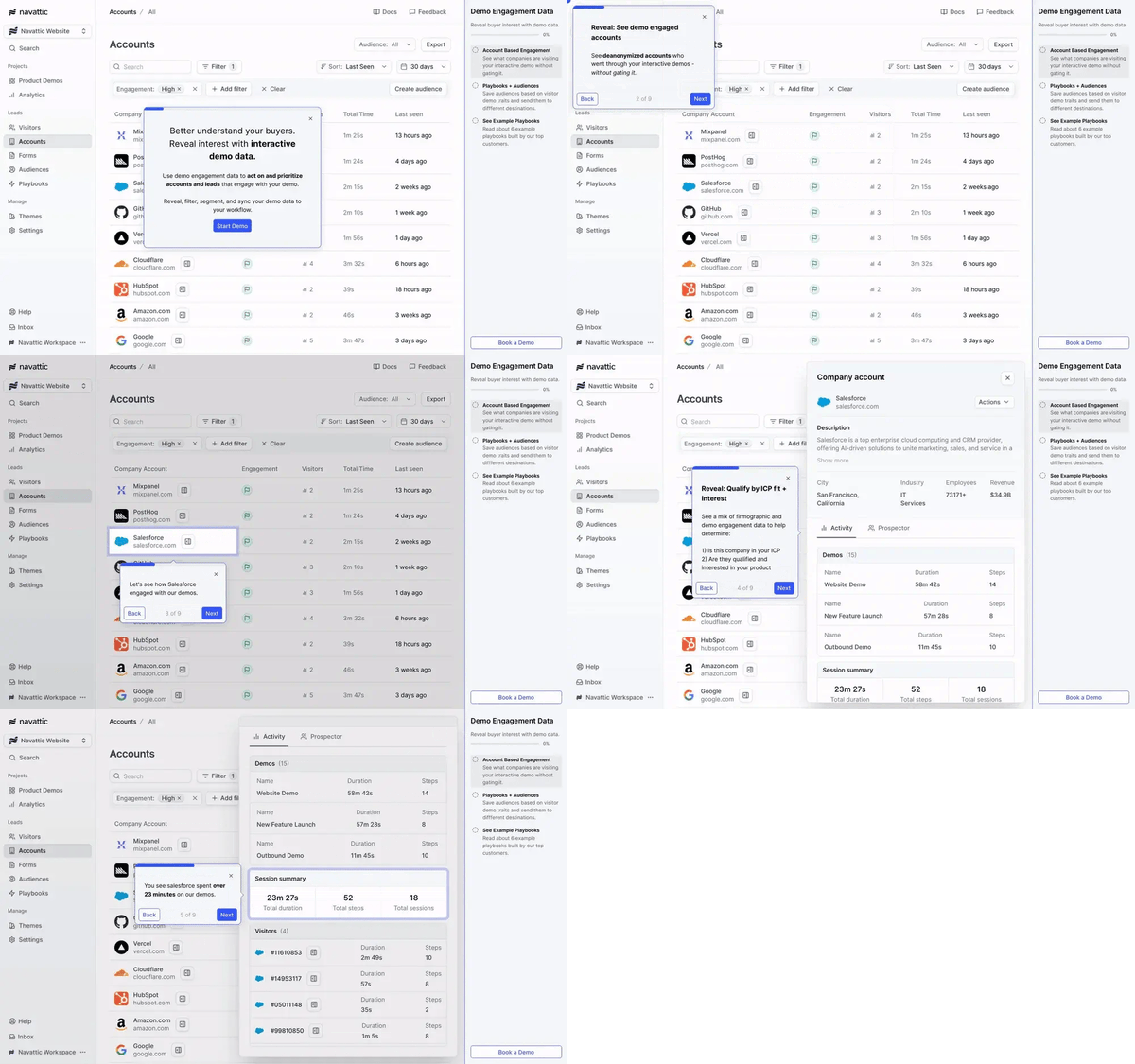
Navattic is a demo automation platform designed to help go-to-market teams build and share interactive product demos without relying on developers.
One feature that consistently gets praise is Navattic’s no-code demo builder. Reviewers highlight how easy it is to let prospects experience the product directly, from a website, landing page, or outbound link. This hands-on, frictionless approach is frequently credited with driving results across the funnel, especially for small teams scaling without heavy engineering involvement.
As I reviewed G2 feedback around this, it became clear why it’s especially popular with lean, high-growth teams, particularly in the mid-market (54%) and small-business (23%) segments.
Another standout capability is Navattic’s HubSpot integration. From what I’ve read, teams value being able to track demo engagement right inside their CRM. Clear visibility into what prospects watched and where they dropped off gives sellers sharper insight into intent, improving both outbound and account-based marketing strategies.
Mobile is the one area reviewers flag for growth, with a few noting that the depth of customization available on web capture hasn’t fully carried over yet. Even so, they describe it as a consideration rather than a dealbreaker, and the web experience continues to earn strong praise.
Even with those small areas for improvement, the overall sentiment on G2 is highly positive. Navattic is clearly delivering on its promise to help teams quickly build and scale interactive demos, without straining technical resources.
What I like about Navattic:
- I found the no-code demo builder to be a major advantage. G2 users say it makes it easy to let prospects experience the product directly, without needing dev support.
- The HubSpot integration stood out to me. According to reviewers, it gives sellers clear visibility into demo engagement and helps sharpen outbound and ABM efforts.
What G2 users like about Navattic:
“Navattic is incredibly intuitive, which made onboarding quick and helped teams across multiple business units adopt it with very little friction. That ease of use has been a major driver of its continued growth internally, as more groups realize how simple it is to implement and start creating demos right away.”
– Navattic review, Brooke S.
What I dislike about Navattic:
- Reviewers note that customization is strongest on web capture and that mobile doesn’t yet offer the same depth, though they add it’s a minor consideration against an otherwise strong platform.
What G2 users dislike about Navattic:
“One area with room to grow is mobile customization, the platform currently shines on web capture, and it would be great to see that same depth of flexibility extended to mobile experiences as well. It’s not a dealbreaker, but something to keep in mind depending on your use case.”
– Navattic review, Jamie W.
3. Storylane: Best for fast, no-code demo creation for marketing
Storylane is a demo automation platform built for B2B marketing, sales, and pre-sales teams.
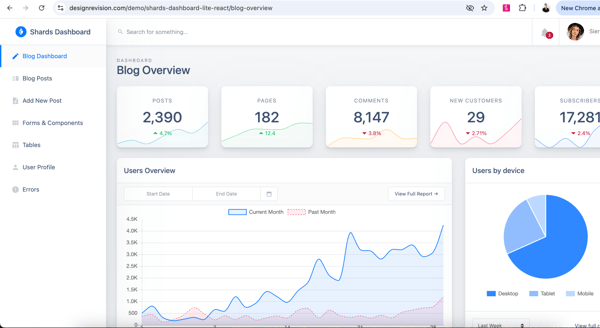
One of the most common highlights in G2 reviews is how easy it is to build interactive demos. According to G2 users, creating demos on Storylane is quick and intuitive, especially for teams managing a high volume. The drag-and-drop interface is frequently praised for saving time without compromising quality.
Another feature that stood out to me is how accessible the platform is for non-technical users. Several reviewers mentioned they were able to start building demos without any formal training. The interface is clean and easy to navigate, making it simple to test ideas, make quick updates, and deliver polished walkthroughs with minimal effort.
Storylane’s AI-powered tools also get a lot of love. From what I’ve read, users find the AI helpful for generating demo copy, speeding up flow creation, and even designing on-brand avatars. These tools save hours of manual work, especially during tight deadlines or last-minute campaigns. The AI-assisted translation features are another standout, helping teams launch region-specific content quickly and effectively.
Reviewers say that once they push to make a demo feel highly on-brand, they want more command over styling, layout, and transitions than the editor currently offers. They balance it quickly against how easy the tool is overall, noting the limitation mostly surfaces only on the most tailored builds.
Overall, the sentiment on G2 is overwhelmingly positive. From what I’ve seen, users feel supported, listened to, and confident that their feedback leads to real improvements. That level of care stands out, and it’s a big reason why so many continue to recommend Storylane for creating high-quality, interactive demos.
What I like about Storylane:
- I found the demo creation process fast and intuitive. 94% of G2 users say the drag-and-drop editor makes building at scale easy.
- The platform is beginner-friendly. Many reviewers mentioned they could start creating demos without any formal training.
What G2 users like about Storylane:
“What I like most about Storylane is how easy it is to create interactive product demos that actually feel like using the real application. Instead of relying on static screenshots or long videos, we can guide prospects through the most important features in a structured and engaging way. It helps us explain our product much faster, especially during the awareness and consideration stages, and gives potential customers the freedom to explore at their own pace.”
– Storylane review, Maciek J.
What I dislike about Storylane:
- Reviewers note that design control can feel limited on highly on-brand demos, wanting more command over styling and layout, though they weigh that against how easy the platform is to use.
What G2 users dislike about Storylane:
“The main thing I dislike about Storylane is that some of the customization can feel a little limited once you are trying to make a demo feel very on-brand or highly tailored. The platform is easy to use, which is a major benefit, but there are moments where I wish there were more advanced design controls for styling, layout, transitions, and the overall presentation of the demo.”
– Storylane review, Arleigh B.
Sync demo engagement data with your marketing automation platform to trigger timely follow-ups and personalize nurture campaigns based on what prospects actually interacted with.
4. Supademo: Best for simple, scrollable “how-to” style demos
Supademo is positioned as one of the fastest ways to build interactive product demos, and based on the feedback I’ve reviewed on G2, that reputation seems well-earned. It’s especially popular among small and mid-sized businesses. 75% of users are from small companies, with another 23% from mid-market.
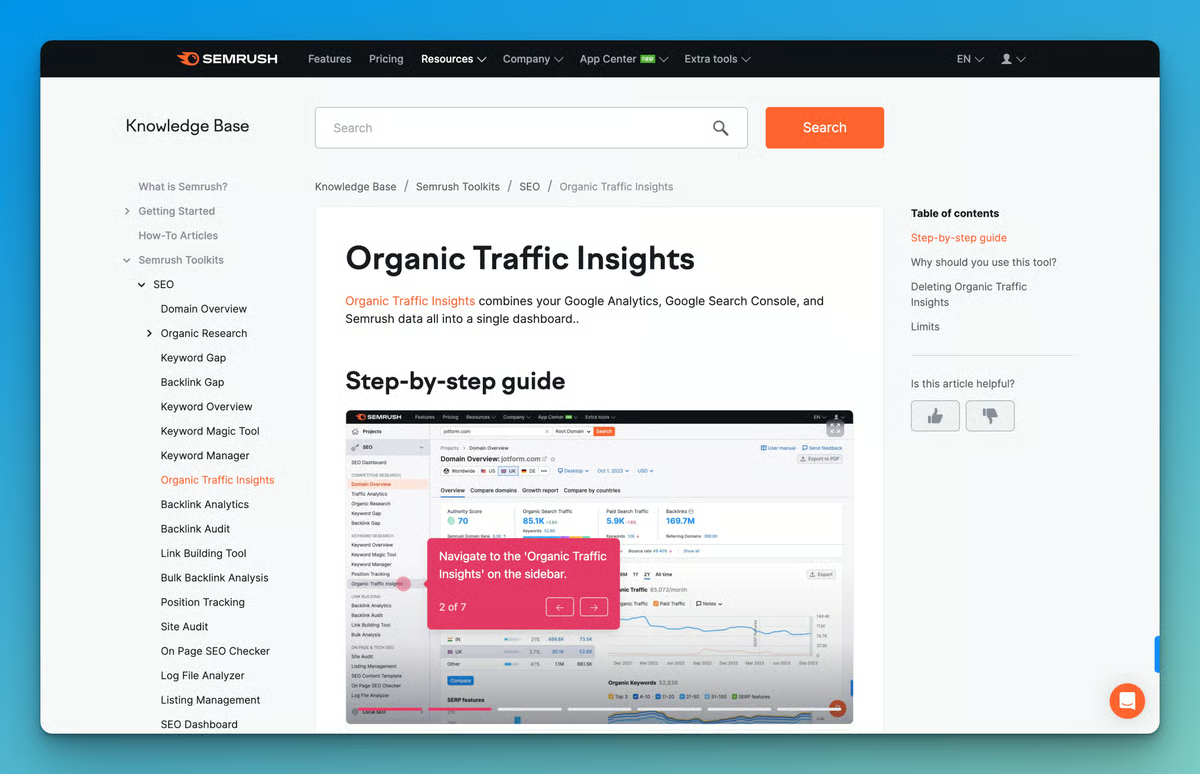
One feature frequently mentioned in reviews is how intuitive it is to record product workflows. Many users highlight the smart pointer triggers that respond contextually to viewer interaction, guiding people at just the right moments.
Another widely praised capability is persona-based journey mapping. According to reviewers, it allows teams to tailor onboarding experiences based on specific personas, which helps reduce confusion and makes product education more effective for a diverse audience.
Supademo’s Chapters feature also stands out. Users frequently mention how breaking demos into smaller sections makes content more digestible and relevant. This simple but powerful functionality lets teams provide contextual guidance throughout the journey, improving clarity and engagement.
The AI voiceover draws the most requests, with a few reviewers saying the available options don’t always land the right tone for their brand. They position it as a fit-and-polish ask rather than a core limitation, and the underlying demo experience still earns consistent praise.
Even with these suggestions for improvement, the overall sentiment on G2 is overwhelmingly positive. From everything I’ve read, Supademo consistently delivers on its promise of fast, scalable demo creation. It’s a lightweight, practical solution for teams focused on product education, user onboarding, and boosting conversions through interactive content.
What I like about Supademo:
- I found the workflow recording experience to be smooth and intuitive. G2 users often mention how the smart pointer triggers guide viewers contextually, making demos feel more interactive with minimal setup.
- I was particularly drawn to the persona-based journey mapping. Reviewers say it helps tailor onboarding for different user roles, improving clarity and product adoption.
What G2 users like about Supademo:
“The biggest win for us has been the sheer speed of implementation—what we call “time-to-value.” Unlike other enterprise tools with steep learning curves, our team was up and running in minutes. It’s genuinely intuitive: anyone on the team, even those who aren’t particularly tech-savvy, can jump in and build a polished walkthrough without needing a manual. That ease of use has translated into a major productivity boost for our organization.”
– Supademo review, Keisha C.
What I dislike about Supademo:
- Reviewers note that the AI voiceover options can feel limited for matching brand tone, though they describe it as a minor polish item against an otherwise smooth experience.
What G2 users dislike about Supademo:
“I’d appreciate more flexibility and variety in the AI voiceover options, since we sometimes struggle to find the right tone for our specific brand.”
– Supademo review, Miguel L.
5. Arcade: Best for polished, social-style product storytelling
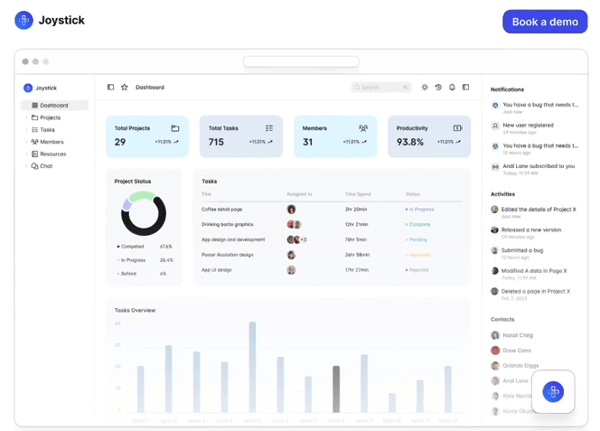
What stands out most in the reviews I’ve read is its flexibility across use cases. While some demo tools are built just for marketing, users describe using Arcade for everything from personalized sales walkthroughs to onboarding content and portfolio showcases. This adaptability allows teams to tailor demos to specific roles or buyer journeys, something reviewers say improves engagement right from the start.
Another theme that comes up consistently is how much time teams save using the content remixing features. Users often highlight the ability to combine screenshots, recordings, and previously built demos to create new ones quickly. Several reviewers mention going from idea to published demo in just a few hours, which is a major win for fast-paced teams.
I’ve also noticed strong feedback around Arcade’s intuitive customization tools. Users say they can design branded, professional-looking demos without needing a designer or dealing with overly complex software. That balance of ease and flexibility seems to hit the sweet spot for most teams.
A few reviewers point to a sizable jump between the Starter and Growth plans, with valued features like HTML capture and advanced branding sitting behind the higher tier. They tend to note it as a budgeting consideration rather than a reason to look elsewhere, since the core experience still delivers.
Even with those small gaps, Arcade consistently delivers on its promise of speed, simplicity, and visual polish. Whether teams are focused on sales enablement, customer education, or top-of-funnel marketing, users say it’s a powerful way to tell product stories with clarity and impact.
What I like about Arcade:
- I found the speed of publishing demos impressive. According to G2 users, the median publish time is just six minutes, which helps teams create polished demos quickly.
- What stood out to me was Arcade’s flexibility. Reviewers mention using it for everything from sales walkthroughs to onboarding, with 95% saying it boosts engagement across use cases.
What G2 users like about Arcade:
“Super easy to create recordings with the browser extension and to edit them. I used to record product videos with Loom and struggled to focus on what I was saying at the same time as clicking and scrolling – Arcade allows me to focus on one step at a time, by separating the recording step from the narration step.”
– Arcade review, Mhabeni B.
What I dislike about Arcade:
- Reviewers note a notable pricing gap between the Starter and Growth tiers, with key features locked higher up, though they frame it as a planning consideration rather than a dealbreaker.
What G2 users dislike about Arcade:
“There is a massive pricing gap between the Starter plan (aimed at individuals/small teams) and the Growth plan. Many of the most powerful features like HTML capture (which makes demos feel like a real website rather than screenshots) and advanced branding—are locked behind that higher tier.”
– Arcade review, Reni M.
6. Guideflow: Best for interactive training and onboarding
One of the most compelling patterns I’ve noticed is how it bridges pre-sales and customer success. Instead of creating separate assets for each stage, many reviewers talk about reusing the same demo across the sales funnel, first to drive engagement in discovery calls and then for onboarding and support. According to G2 data, this makes it an especially popular choice with mid-market (40%) and enterprise (38%) teams focused on improving both sales and post-sale journeys.
Another standout capability is the ability to build step-by-step walkthroughs that guide users through product features at their own pace. G2 reviewers say this self-serve model reduces the need for kickoff calls or lengthy documentation. Multiple users mention how it boosts customer confidence while taking pressure off internal onboarding teams.
Guideflow also earns praise for its customization and personalization. Reviewers frequently mention how easy it is to create persona-specific demos that make sales conversations more relevant. From what I’ve read, teams can get started quickly, even without formal training or outside support, which is a big advantage for fast-moving organizations.
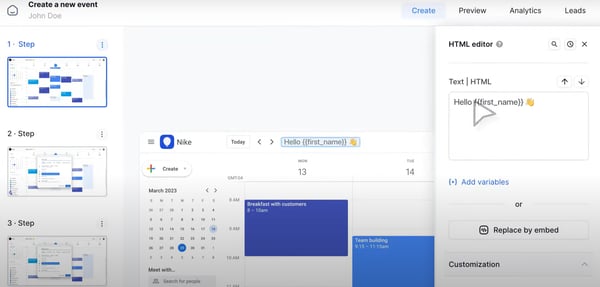
A few reviewers say Guideflow gets restrictive once they try to build sophisticated, branching user paths. They generally position it as a ceiling that only appears on the most intricate flows, with everyday walkthroughs still coming together easily.
Looking at the big picture, the sentiment on G2 is highly positive. Guideflow strikes a strong balance between ease of use and impact. It helps teams create more tailored, cohesive product experiences, without draining time or resources. For companies looking to scale onboarding and enablement efficiently, it’s clear that Guideflow is becoming a go-to solution.
What I like about Guideflow:
- I found it impressive how teams use the same demo across sales and onboarding. G2 users say this continuity helps streamline the customer journey and reduce friction.
- The step-by-step walkthroughs stood out to me. Reviewers mention that they boost customer confidence while easing the load on onboarding teams.
What G2 users like about Guideflow:
“The ease of learning to use the tool and its advantages.”
– Guideflow review, Manuel S.
What I dislike about Guideflow:
- Reviewers note that Guideflow can feel restrictive on more complex, branching user paths, though they add that core walkthroughs still come together smoothly.
What G2 users dislike about Guideflow:
“Guideflow works well for basics but gets restrictive with sophisticated user paths.”
– Guideflow review, Carlos C.
7. Saleo: Best for customizable, live demo environments
Saleo is a live demo platform that lets teams inject real-time, customizable data into their SaaS products to create polished, scalable demos. Trusted by well-known companies like SAP, HubSpot, Seismic, and Clari, Saleo’s credibility in the market is clear.
One of the most frequently praised aspects is Saleo’s intuitive interface combined with powerful functionality. Many reviewers mention how easy it is to navigate despite the advanced engineering behind the tool. The learning curve seems minimal, enabling teams to get started quickly without getting stuck on technical hurdles.
A standout feature I noticed is Saleo’s sandbox customization. Users love that they can tailor demo environments to mirror a customer’s brand, layout, and workflow. According to G2 data, users highlight the automation of sandbox and POC experiences as a major advantage. It allows teams to deliver trial-like demos without manually recreating scenarios, saving time while maintaining a live, realistic feel.
I also saw a lot of positive feedback around ease of use for non-technical users. Even with complex backend data, many reviewers say the platform is accessible and straightforward. This user-friendly design, combined with solid onboarding support, helps teams quickly scale their demo efforts.
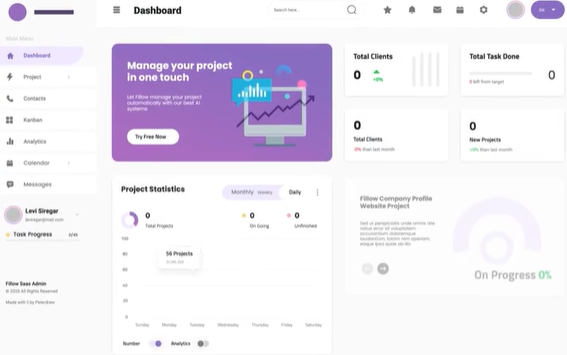
The one recurring snag reviewers mention is version conflicts, where their own product updates can occasionally clash with the Saleo setup. Even then, they’re quick to credit the Saleo team with jumping on it fast and making the fixes needed to get demos running again, so the issue tends to be short-lived.
Overall, Saleo consistently delivers on its promise to create data-complete, personalized live demos at scale. For teams focused on building compelling POCs, onboarding sellers, or winning enterprise buyers, it’s seen as a powerful yet practical platform.
What I like about Saleo:
- I found Saleo’s intuitive interface impressive. G2 users mention that despite the platform’s advanced capabilities, the learning curve is minimal, making it easy for teams to get started quickly.
- What stood out to me was the sandbox customization. Reviewers appreciate being able to tailor demo environments to match a customer’s brand and workflow, which makes demos feel highly relevant.
What G2 users like about Saleo:
“What I like best about Saleo is that it is simple to use and quick to set up. I can easily change images and text in demos without any technical difficulty. The platform has many useful features for customization, and I use it regularly because it saves time and improves the quality of my demos. It also works well with other tools we use, and the support team is very helpful and responsive whenever needed.”
– Saleo review, VISHAL S.
What I dislike about Saleo:
- Reviewers note that internal product updates can occasionally conflict with the Saleo setup, though they add that the team resolves these quickly when they arise.
What G2 users dislike about Saleo:
“The only pain point we’ve had is when our internal team makes updates to our product that end up conflicting with Saleo. When that happens, the Saleo team responds quickly and makes the necessary tweaks on their end to get things resolved.”
– Saleo review, Amy H.
8. RELAYTO AI: Best for interactive content experiences and engagement analytics
RELAYTO AI is an interactive content experience platform that turns static PDFs, presentations, and other files into clickable, trackable digital experiences without any coding.
The feature that surfaces most across G2 reviews is how easily RELAYTO transforms existing static content into something interactive. Reviewers describe dragging in presentations, PDFs, and marketing materials and turning them into polished, dynamic experiences without design or coding help. From what I’ve read, this lets teams repurpose a large library of older content in a fraction of the time it used to take, while keeping the output professional and on-brand.
Another capability reviewers consistently call out is the engagement analytics. Users say they can see exactly how someone interacted with a piece of content, which pages they lingered on, where they dropped off, and what they clicked, giving a level of visibility a plain file share can’t match. Several note this insight reshapes how they follow up and prioritize their time, turning a sent document into a real read on buyer intent.
Customization and flexibility round out the praise. Reviewers highlight how much control they have over layout, visuals, branding, and structure, so each experience feels tailored rather than templated. From what I’ve seen, this versatility is why teams reach for it across sales collateral, proposals, educational resources, and client-facing presentations, often pairing it with responsive support and a smooth onboarding experience.
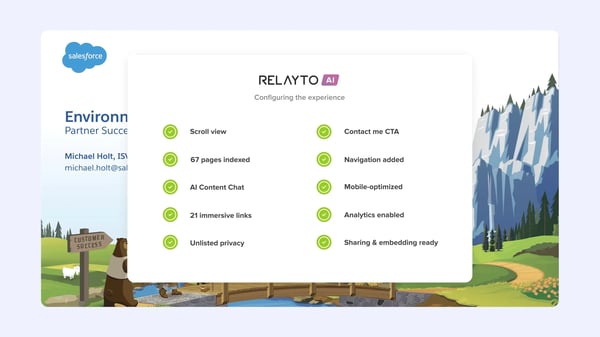
That said, reviewers note friction in the upfront learning curve, since the sheer number of features and customization options can feel overwhelming when first opening the dashboard. But still, they’re quick to frame the depth as the source of the platform’s power, adding that once the workflow clicks, those same features become the reason they keep coming back, helped along by strong onboarding resources and a responsive support team.
After reading through this feedback, it’s easy to see why RELAYTO AI earns its spot among the best demo automation software. It consistently draws praise for turning flat documents into engaging, measurable experiences, surfacing buyer intent through analytics, and giving teams the flexibility to make every experience their own.
What I like about RELAYTO AI:
- I found the static-to-interactive transformation to be a major highlight. G2 users say they can repurpose existing PDFs and presentations into polished, dynamic experiences without design or coding help.
- The engagement analytics stood out to me. Reviewers mention seeing exactly which pages viewers linger on and where they drop off, giving sharper insight into buyer intent and smarter follow-up.
What G2 users like about RELAYTO AI:
“As someone who has used RELAYTO AI, I can say that it has made creating interactive presentations and documents much faster and more engaging. Instead of spending hours trying to design slides or static PDFs, RELAYTO helps turn content into a more polished, visual, and professional experience. The platform makes it easier to tell a story in a way that feels modern and keeps the audience interested.”
-RELAYTO AI review, Cooper L.
What I dislike about RELAYTO AI:
- Reviewers note that the depth of features makes for a noticeable learning curve at first, with the dashboard feeling overwhelming for new users, though they add that the workflow becomes fluid and rewarding once they get familiar, supported by strong onboarding resources.
What G2 users dislike about RELAYTO AI:
“When I first got into RELAYTO, the sheer number of features was a little intimidating. A lot is going on, and the learning curve is definitely noticeable early on. That said, it didn’t take long for me to realize that the support team was going to make that process a whole lot easier than I expected.”
– RELAYTO AI review, Meghana V.
Demo automation software: Frequently asked questions (FAQs)
Got more questions? G2 has the answers.
Q1. What’s the top demo automation app for tech startups?
For lean teams that need speed and simplicity, Storylane and Supademo are top picks, both are affordable, no-code, and easy to embed in outbound and landing pages.
Q2. What’s the best demo automation software for small businesses?
Supademo offers a lightweight, scrollable experience ideal for small teams. Arcade is also a strong contender if you want a visual, brand-forward story.
Q3. What’s the best service for automated demos for apps?
If you’re demoing a web or mobile app, tools like Navattic and Saleo let you showcase features dynamically, even without live data.
Q4. Which is the most user-friendly demo automation software for sales teams?
Storylane, and Consensus are known for clean UIs and workflows that don’t require technical expertise to launch high-quality demos.
Q5. Best automation tool for creating demo presentations?
For building demo stories from scratch, Arcade stands out. It focus on clean design, structured flows, and multimedia layering.
Q6. What is the most recommended demo automation tool for SaaS companies?
Consensus and Navattic are most commonly used by SaaS teams that want scalable, self-guided product demos paired with insights into what buyers care about.
Q7. What’s the best-rated demo automation service for mobile use?
While most platforms are optimized for desktop, Supademo and Arcade offer responsive, mobile-friendly demos you can embed in emails or send via link.
Q8. Are there popular options for demo automation software for desktop workflows?
Absolutely. Saleo, Navattic, and Consensus are built for web-based products and support detailed walkthroughs on desktop browsers with built-in analytics.
Q9. What are the best demo automation platforms for product marketing managers who need easy-to-use tools?
For product marketers who want minimal ramp-up, Storylane and Supademo stand out. Reviewers consistently describe both as intuitive and no-code, with many saying they built polished demos without any formal training.
Q10. What are the top demo automation solutions for 51-200 employee companies needing a smooth initial setup?
Supademo and Storylane draw praise from smaller and mid-sized teams for fast implementation, with reviewers describing time-to-value in minutes rather than weeks. Guideflow is also popular with mid-market teams looking to stand up walkthroughs quickly.
Q11. Which demo automation software simplifies sales demo creation without technical expertise?
Navattic and Storylane are built for exactly this, with no-code builders that let reps and marketers create interactive demos without developer support. Reviewers highlight how this removes engineering from the demo workflow entirely.
Q12. Which demo automation platforms integrate with product marketing manager-friendly workflows and dashboards?
Navattic earns repeated praise for its HubSpot integration, letting teams track demo engagement right inside their CRM. Consensus similarly pairs branded demo pages with marketing software integrations and engagement dashboards.
Q13. Comparing demo automation tools, which have the best user interface for adoption?
Reviewers point to Storylane and Supademo for clean, self-explanatory interfaces that drive fast adoption, with several noting new users were productive within a day. Saleo also earns credit for keeping a minimal learning curve despite advanced functionality.
Q14. Which demo automation platforms deliver ROI within the first quarter for mid-market companies?
Guideflow is a common mid-market pick, with reviewers describing quick deployment and demo reuse across sales and onboarding that pays off fast. Consensus is also cited for shortening deal cycles through deal engagement tracking.
Q15. Which demo automation platforms avoid lengthy setup and steep learning curves with strong user support and documentation?
Supademo stands out for near-instant setup, and Saleo earns praise for a minimal learning curve backed by solid onboarding support. Where tools like RELAYTO have a steeper curve, reviewers credit strong documentation and responsive support for smoothing it out.
Q16. What are the most reliable demo automation platforms based on reviews from product marketing managers at growing companies?
Storylane and Navattic draw the most consistent praise from growing teams, with reviewers citing dependable performance and ease of scaling demos without heavy engineering. Both are especially popular in the mid-market and small-business segments.
Q17. What is the highest-rated demo automation software for 51-200 employee teams focused on rapid deployment?
Supademo and Guideflow are frequent picks for rapid deployment, with reviewers highlighting fast setup and quick demo creation that let smaller teams launch without a long implementation cycle.
Q18. What is the most trusted demo automation software by product marketing managers based on user reviews?
Storylane and Consensus rank among the most trusted, with reviewers pointing to Storylane’s ease of use for marketing teams and Consensus’s scalable, self-guided demos paired with buyer engagement insights.
No more demo-lition, just perfect demos
After evaluating the best demo automation software, I’ve come to appreciate just how much of a game-changer the right platform can be. Each tool brings something unique, whether it’s no-code builders for fast product tours, customizable overlays for live demos, or scalable sandboxes that let buyers explore on their own. No matter your team size, tech stack, or sales motion, there’s a solution out there to match.
I hope this guide helps you find the tool that fits your GTM strategy. No one should ever have to suffer through another broken demo link, delayed environment, or “can I see that again?” moment again.
Use client onboarding platforms to turn your demo flows into guided setup experiences. This will help users activate faster and reduce the time to value.

💸 Earn Instantly With This Task
No fees, no waiting — your earnings could be 1 click away.
Start Earning
